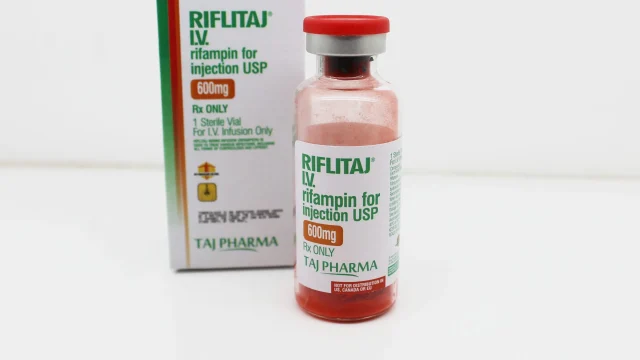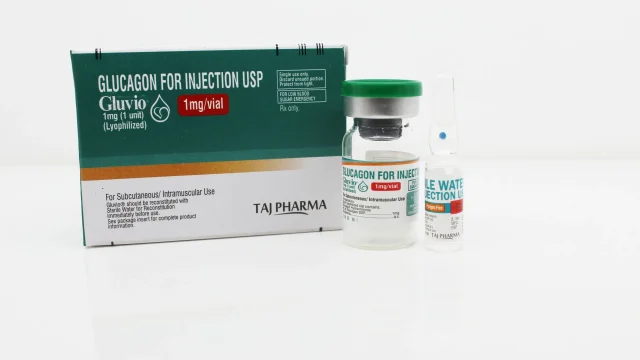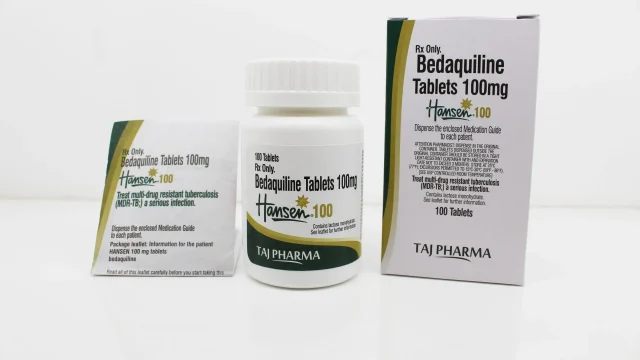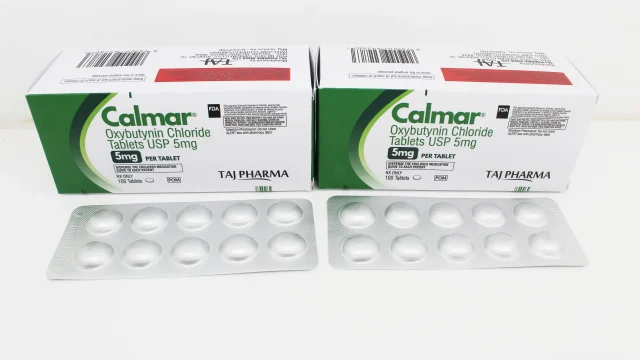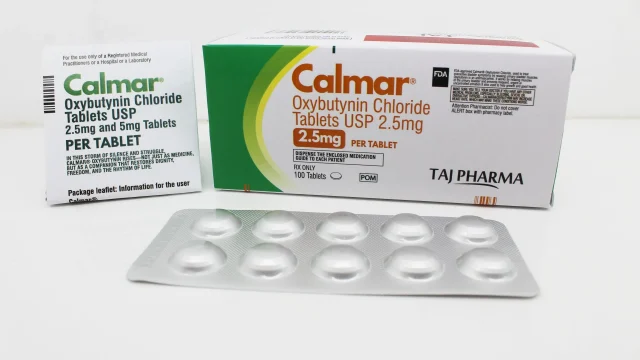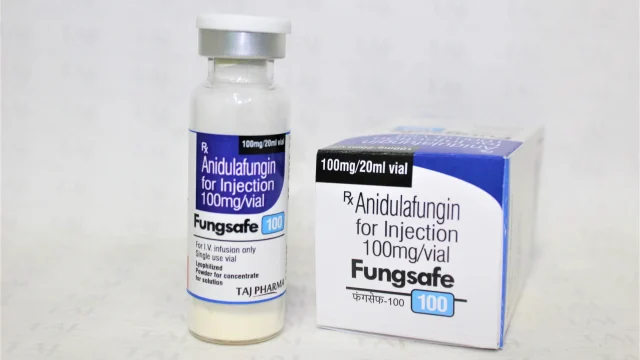
Dry injection manufacturing is a specialized area of pharmaceutical production focused on sterile medicines supplied in dry powder or lyophilized form for reconstitution before administration. These products require controlled manufacturing environments, appropriate aseptic processing, validated procedures, stringent quality controls, and carefully selected container-closure systems.
At Taj Medico, we provide pharmaceutical manufacturing and supply solutions for qualified pharmaceutical companies, distributors, importers, marketers, and international buyers. Our approach combines manufacturing coordination, quality-focused processes, packaging, documentation, and export supply support according to product specifications and applicable regulatory requirements.
What Is Dry Injection Manufacturing?
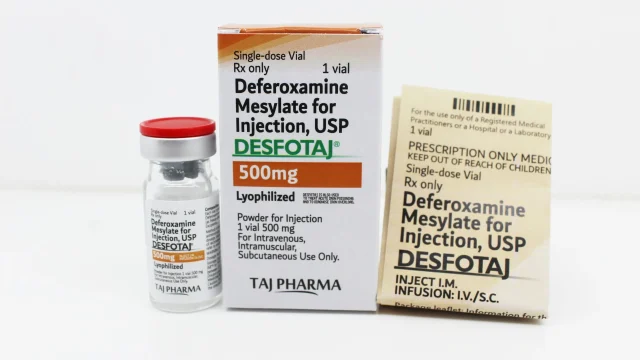
Dry injections are sterile pharmaceutical products supplied in a dry state, generally as a powder or freeze-dried preparation. Before administration, the product is reconstituted using an appropriate sterile diluent according to the approved product instructions.
Dry formulations can be particularly useful for pharmaceutical substances whose stability may be limited when maintained in an aqueous solution for an extended period.
Depending on the formulation and manufacturing process, dry injectable products can include:
- Sterile powder injections
- Lyophilized injections
- Small-volume parenteral products
- Other sterile dry pharmaceutical preparations
The formulation, reconstitution method, storage conditions, container, and manufacturing process are determined by the characteristics of each individual product.
Taj Medico – Dry Injection Manufacturer in India
At Taj Medico, we support pharmaceutical businesses looking for structured manufacturing and supply solutions for sterile pharmaceutical products.
Our approach considers the requirements of the complete manufacturing lifecycle:
Product Specification → Formulation → Sterile Processing → Filling → Drying Where Applicable → Quality Control → Packaging → Documentation → Supply
Every project is evaluated according to the active pharmaceutical ingredient, dosage strength, formulation, presentation, target market, required quantity, and applicable regulatory requirements.
Why Dry Injectable Products Require Specialized Manufacturing
Dry injectable products require stringent controls because they are intended for parenteral administration.
Important manufacturing considerations include:
- Sterility assurance
- Controlled manufacturing environments
- Aseptic processing
- Appropriate raw-material controls
- Validated sterilization processes where applicable
- Environmental monitoring
- Controlled filling
- Container-closure integrity
- Particulate control
- Stability evaluation
- Comprehensive documentation
Quality must be incorporated into every stage of sterile pharmaceutical manufacturing, rather than relying exclusively on final-product testing.
Lyophilized Injection Manufacturing
Lyophilization, also known as freeze-drying, is a specialized process used for suitable pharmaceutical formulations to remove water under controlled conditions.
A typical lyophilization process involves controlled freezing followed by drying stages under reduced pressure. The exact cycle parameters depend on the formulation and product characteristics.
Important considerations during lyophilized product development can include:
- Freezing behavior
- Product temperature
- Drying characteristics
- Residual moisture
- Reconstitution performance
- Product stability
- Container-closure system
The drying cycle should be appropriately developed and validated for the specific product.
Sterile Powder Injection Manufacturing
Some pharmaceutical products are manufactured as sterile powders rather than liquid solutions.
Sterile powder manufacturing requires appropriate control over:
- Active ingredient characteristics
- Particle properties
- Formulation composition
- Sterility
- Filling
- Container closure
- Storage
- Reconstitution
The finished product must comply with its established specifications and applicable regulatory requirements.
Dry Injection Manufacturing Process
1. Product Specification and Technical Assessment
Manufacturing begins with a clear understanding of the product.
Important specifications can include:
- Product name
- Active pharmaceutical ingredient
- Strength
- Dosage form
- Fill quantity
- Container type
- Reconstitution requirements
- Storage conditions
- Target market
- Packaging requirements
These details help establish an appropriate manufacturing strategy.
2. Raw Material Control
Active pharmaceutical ingredients and excipients are controlled according to established specifications.
Other components, including vials, closures, and seals, must also be appropriately controlled and traceable.
3. Formulation Preparation
Where applicable, the pharmaceutical formulation is prepared under controlled conditions.
Formulation development may consider:
- Solubility
- pH
- Concentration
- Stability
- Compatibility
- Drying characteristics
- Reconstitution behavior
The formulation should be suitable for the intended manufacturing process.
4. Sterilization or Sterile Filtration
Depending on the product, appropriate sterilization or sterile filtration procedures may be used.
The selected method must be suitable for the formulation and supported by appropriate validation and process controls.
5. Aseptic Filling
The sterile formulation is filled into suitable containers under controlled conditions.
Filling operations require attention to:
- Fill volume
- Equipment performance
- Environmental conditions
- Container handling
- Contamination control
6. Lyophilization
For products requiring freeze-drying, filled containers undergo an appropriately developed lyophilization cycle.
The process removes water while seeking to preserve the desired physical and chemical characteristics of the product.
7. Stoppering and Sealing
Following drying, containers are appropriately closed and sealed.
The container-closure system should maintain product integrity during storage, transportation, and the proposed shelf life.
8. Visual Inspection
Finished containers may be inspected for visible defects, particulate matter, container damage, and other applicable characteristics.
9. Finished-Product Testing
Products undergo quality-control testing against their established specifications.
Depending on the product, testing may include:
- Assay
- Identification
- Related substances
- Sterility
- Bacterial endotoxins
- Particulate matter
- Reconstitution characteristics
- Appearance
- Moisture
- Container-closure integrity
- Other product-specific tests
Sterility Assurance in Dry Injection Manufacturing
Sterility assurance is one of the most important aspects of injectable pharmaceutical manufacturing.
Sterile manufacturing involves a comprehensive contamination-control strategy covering facilities, equipment, materials, personnel, environmental conditions, and processing procedures.
A structured approach can be represented as:
Facility Control + Personnel Practices + Material Control + Aseptic Processing + Environmental Monitoring + Validation + Quality Testing
Each component contributes to maintaining the required quality of the sterile product.
Environmental Monitoring for Sterile Manufacturing
Controlled sterile manufacturing environments require appropriate environmental monitoring.
Depending on the facility and process, monitoring programs may address:
- Airborne particles
- Microbial contamination
- Surfaces
- Personnel
- Critical processing areas
- Environmental conditions
Monitoring results can provide information about the effectiveness of the facility’s contamination-control program.
Quality Control of Dry Injectable Products
A comprehensive quality-control system evaluates the finished product and relevant manufacturing processes.
Sterility
Sterility testing is performed using appropriate procedures to assess compliance with applicable sterility requirements.
Bacterial Endotoxins
Where applicable, bacterial endotoxin testing evaluates the product against established endotoxin specifications.
Particulate Matter
Injectable products may require evaluation for particulate matter according to applicable standards.
Assay
Assay testing determines the amount of active pharmaceutical ingredient present in the finished product.
Related Substances
Analytical testing can identify and quantify relevant impurities or degradation products according to the established specification.
Reconstitution Characteristics
Products designed for reconstitution may require evaluation of reconstitution time and relevant properties after reconstitution.
Container-Closure Systems for Dry Injections
Packaging is an important part of sterile product quality.
Common primary packaging components can include:
- Glass vials
- Elastomeric closures
- Aluminum seals
- Secondary cartons
- Protective outer packaging
The container-closure system should be compatible with the product and provide appropriate protection throughout its intended shelf life.
Container-closure integrity is particularly important for sterile pharmaceutical products because compromised packaging can affect product integrity.
Stability Studies for Dry Injections
Stability studies assess whether a pharmaceutical product continues to meet its established specifications throughout its proposed shelf life.
Depending on the product, stability programs may evaluate:
- Appearance
- Assay
- Related substances
- Moisture
- Reconstitution performance
- Particulate matter
- Sterility-related characteristics
- Container-closure integrity
The stability program should follow the applicable regulatory requirements for the product and intended market.
Packaging and Labeling of Dry Injections
Proper packaging protects dry injectable products from environmental and physical factors during storage and transportation.
Packaging requirements can include:
- Product name
- Strength
- Batch number
- Manufacturing information
- Expiry date
- Storage conditions
- Reconstitution instructions where applicable
- Manufacturer information
- Regulatory information
For export products, labels and packaging should comply with the requirements of the destination country.
Third-Party Dry Injection Manufacturing
Third-party manufacturing allows pharmaceutical businesses to outsource agreed manufacturing activities to an established pharmaceutical manufacturing partner.
This model may be suitable for:
- Pharmaceutical companies
- Distributors
- Pharmaceutical marketers
- Importers
- Healthcare businesses
- International pharmaceutical organizations
A manufacturing agreement should clearly establish responsibilities concerning production, quality control, documentation, packaging, regulatory compliance, and supply.
Private Label Dry Injection Manufacturing
Where permitted by applicable regulations, private-label manufacturing can help pharmaceutical marketers and distributors introduce products under an approved brand identity.
A typical project may involve:
Product Selection → Technical Specifications → Packaging → Manufacturing → Quality Testing → Documentation → Market Supply
All product registration, labeling, claims, and commercialization activities should comply with applicable laws and regulatory requirements.
Dry Injection Manufacturing for International Markets
International pharmaceutical markets have different regulatory and commercial requirements.
Before exporting a dry injectable product, businesses should consider:
- Product registration
- Import authorization
- Manufacturing requirements
- Labeling
- Packaging
- Quality documentation
- Stability requirements
- Certificates
- Shipping requirements
The product must be appropriately authorized for the intended market before commercial distribution.
Pharmaceutical Export Supply from India
India has a well-established pharmaceutical manufacturing sector serving both domestic and international markets.
At Taj Medico, we support qualified buyers with export-oriented pharmaceutical supply coordination.
Our services can include:
- Product manufacturing
- Packaging coordination
- Quality documentation
- Export documentation
- Order planning
- Shipment coordination
The availability and export eligibility of specific products depend on applicable approvals, manufacturing capabilities, and destination-market requirements.
Advantages of Working with a Dry Injection Manufacturer
A capable manufacturing partner can help pharmaceutical businesses manage the technical and operational requirements associated with sterile products.
Key considerations include:
Specialized Production
Dry injections require specialized knowledge of sterile processing, filling, drying, formulation, and packaging.
Quality-Focused Processes
Appropriate quality systems help support consistent manufacturing and traceability.
Documentation
Well-organized documentation supports quality management and regulatory activities.
Supply Coordination
Structured communication between manufacturing, packaging, quality, and logistics teams can support smoother order execution.
How to Request Dry Injection Manufacturing
For an accurate manufacturing assessment, buyers should provide detailed product information.
A pharmaceutical inquiry can include:
- Product name
- Active ingredient
- Strength
- Dosage form
- Fill volume or fill quantity
- Vial specification
- Required order quantity
- Packaging requirements
- Target country
- Documentation requirements
Providing complete specifications helps establish the appropriate manufacturing and supply requirements.
Why Choose Taj Medico for Dry Injection Manufacturing?
At Taj Medico, we focus on professionally coordinated pharmaceutical manufacturing and supply solutions for qualified customers.
Our capabilities and services include:
- Dry injection manufacturing
- Sterile pharmaceutical product supply
- Lyophilized product manufacturing
- Small-volume parenteral solutions
- Quality-control coordination
- Packaging support
- Documentation coordination
- Third-party manufacturing
- Private-label manufacturing
- Export-oriented supply solutions
Our objective is to support pharmaceutical companies and international buyers with reliable manufacturing and supply coordination.
Dry injection manufacturing requires specialized pharmaceutical capabilities, controlled sterile processing, suitable formulation and drying technologies, rigorous quality-control systems, and appropriate container-closure solutions.
At Taj Medico, we provide dry injection manufacturing and supply solutions for qualified pharmaceutical businesses seeking sterile pharmaceutical products from India. Our approach covers product specifications, manufacturing coordination, quality control, packaging, documentation, and international supply requirements.
For pharmaceutical companies, distributors, marketers, importers, and global buyers, selecting a suitable manufacturing partner is an important part of developing a dependable sterile-product supply chain.
With a focus on quality-oriented manufacturing, sterile processing requirements, professional coordination, and export support, Taj Medico aims to provide dependable pharmaceutical manufacturing solutions for international markets.
![WHO releases guideline on digital health interventions {Taj Pharmaceuticals} [Patient Care]](https://tajmedico.com/wp-content/uploads/cache/images/WHO-releases-guideline-on-digital-health-interventions-Taj-Pharmaceuticals-Patient-Care-by-Taj-Pharma-Group-Taj-Medico/WHO-releases-guideline-on-digital-health-interventions-Taj-Pharmaceuticals-Patient-Care-by-Taj-Pharma-Group-Taj-Medico-1592706783.jpg)
![Blood Tests: Using Blood to detect Cancer Early {Cancer is word; not a sentence} [Taj Pharmaceuticals Mumbai]](https://tajmedico.com/wp-content/uploads/cache/images/Blood-Tests-Using-Blood-to-detect-Cancer-Early-Cancer-is-word-not-a-sentence-Taj-Pharmaceuticals-Mumbai/Blood-Tests-Using-Blood-to-detect-Cancer-Early-Cancer-is-word-not-a-sentence-Taj-Pharmaceuticals-Mumbai-2746981357.jpg)
![[Liver cancer] deaths climb by around 50% in the last decade {Taj Pharmaceuticals Survey}](https://tajmedico.com/wp-content/uploads/cache/images/Liver-cancer-deaths-climb-by-around-50-in-the-last-decade-Taj-Pharmaceuticals-Survey-2-scaled/Liver-cancer-deaths-climb-by-around-50-in-the-last-decade-Taj-Pharmaceuticals-Survey-2-scaled-860068172.jpg)