Topiramate 25mg Tablets: Uses, Manufacturing Standards, and Pharmaceutical Overview
Introduction to Topiramate 25mg Tablets
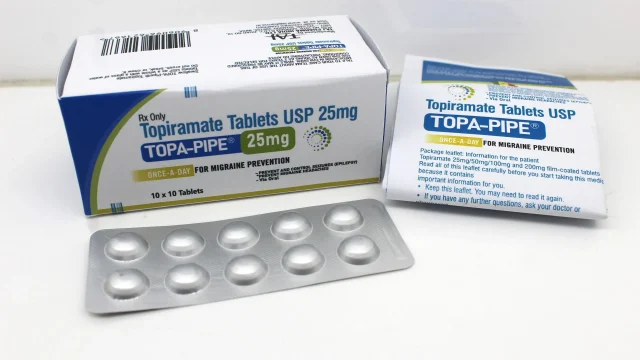
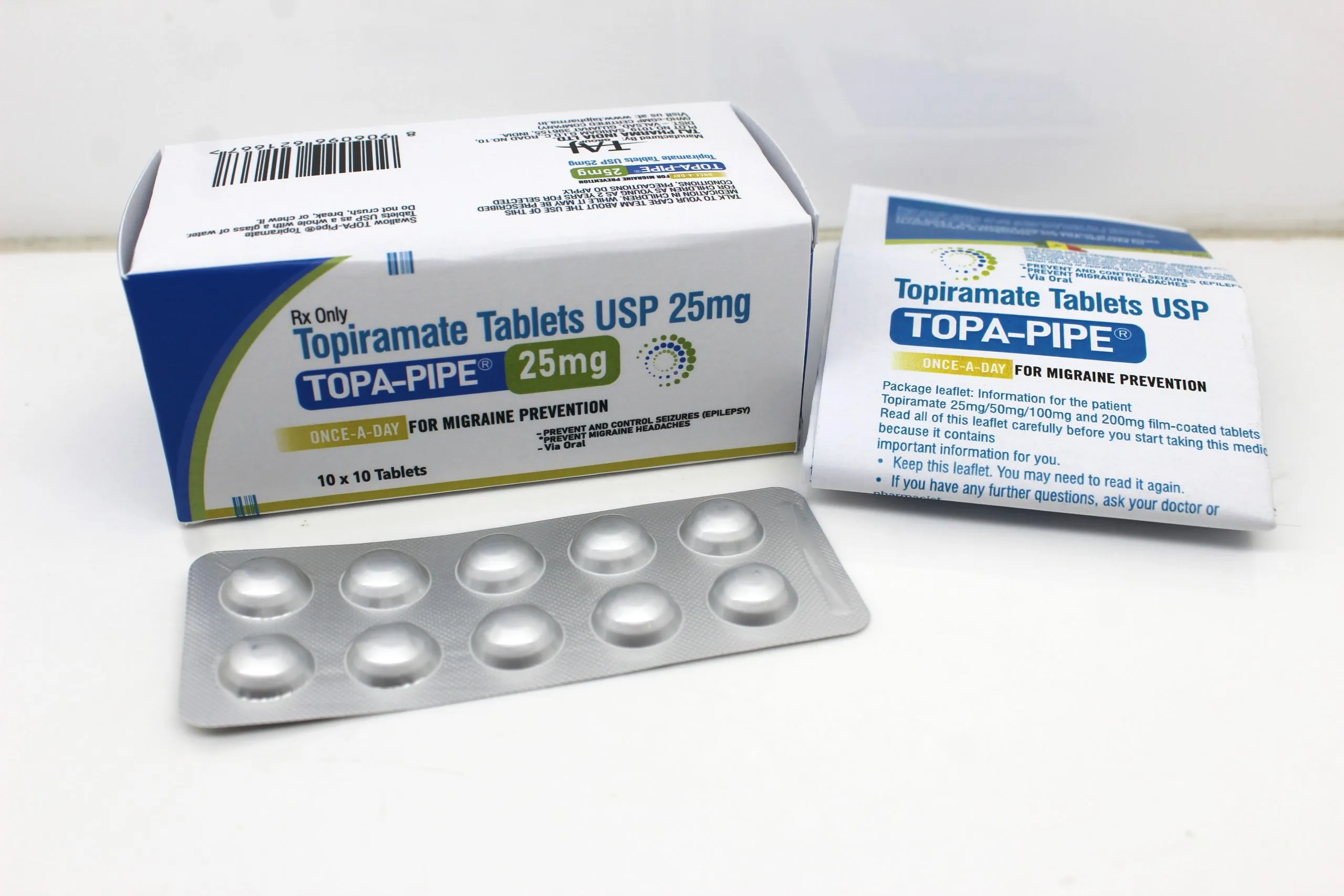
Topiramate 25mg tablets are a widely used antiepileptic medication prescribed for the management of neurological disorders such as epilepsy and the prevention of migraine headaches. The active pharmaceutical ingredient, Topiramate, acts on the central nervous system by stabilizing neuronal activity and reducing excessive electrical discharges in the brain.
This medication is commonly prescribed as part of long-term therapy and is often initiated at low doses such as 25mg to minimize side effects and allow gradual dose adjustment based on patient response.
Therapeutic Uses of Topiramate
Topiramate is clinically indicated for several neurological and related conditions, including:
1. Epilepsy Management
Topiramate is used either as monotherapy or adjunct therapy for controlling seizures. It is effective against:
- Partial-onset seizures
- Generalized tonic-clonic seizures
- Seizures associated with Lennox-Gastaut syndrome
It works by modulating sodium channels, enhancing GABA activity, and inhibiting excitatory neurotransmission.
2. Migraine Prevention
Topiramate is widely prescribed for reducing the frequency of migraine attacks. It does not treat acute headaches but helps in long-term prevention by stabilizing neural excitability.
3. Off-label Applications
In some cases, under strict medical supervision, Topiramate may be used for:
- Weight management (as part of combination therapy in certain countries)
- Mood stabilization in psychiatric conditions
Mechanism of Action
Topiramate acts through multiple pathways in the brain, making it a broad-spectrum anticonvulsant:
- Blocks voltage-dependent sodium channels
- Enhances activity of gamma-aminobutyric acid (GABA)
- Inhibits glutamate receptors (AMPA/kainate subtype)
- Modulates calcium channels
- Weak carbonic anhydrase inhibition
This multi-mechanism approach contributes to its effectiveness in reducing abnormal neuronal firing.
Pharmaceutical Manufacturing Standards in India
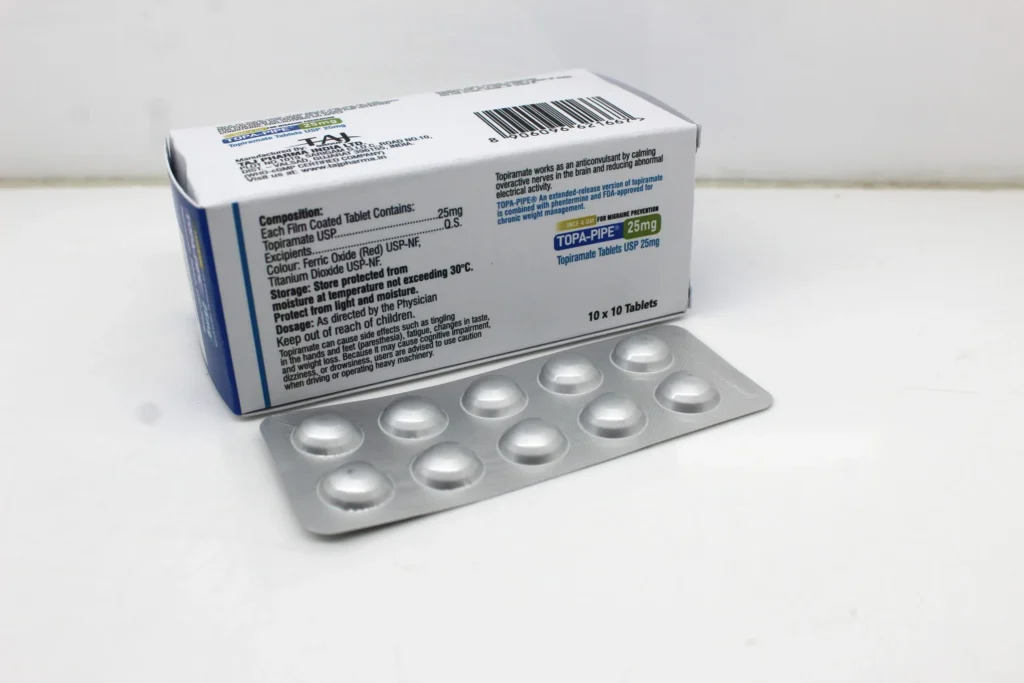
India is one of the major global hubs for pharmaceutical manufacturing, including antiepileptic drugs such as Topiramate. High-quality production follows strict regulatory frameworks to ensure safety, efficacy, and consistency.
1. GMP Compliance
Manufacturers follow Good Manufacturing Practices (GMP), which ensure:
- Controlled production environments
- Validated manufacturing processes
- Strict hygiene standards
- Consistent batch quality
2. Quality Control Testing
Each batch of Topiramate tablets undergoes rigorous testing, including:
- Assay of active ingredient
- Dissolution testing
- Stability testing
- Microbiological quality checks
3. Regulatory Approvals
Pharmaceutical companies must comply with:
- Indian regulatory authority guidelines (CDSCO)
- International standards for export markets such as WHO-GMP
- Country-specific import regulations for Africa, Middle East, and Latin America markets
Formulation and Composition
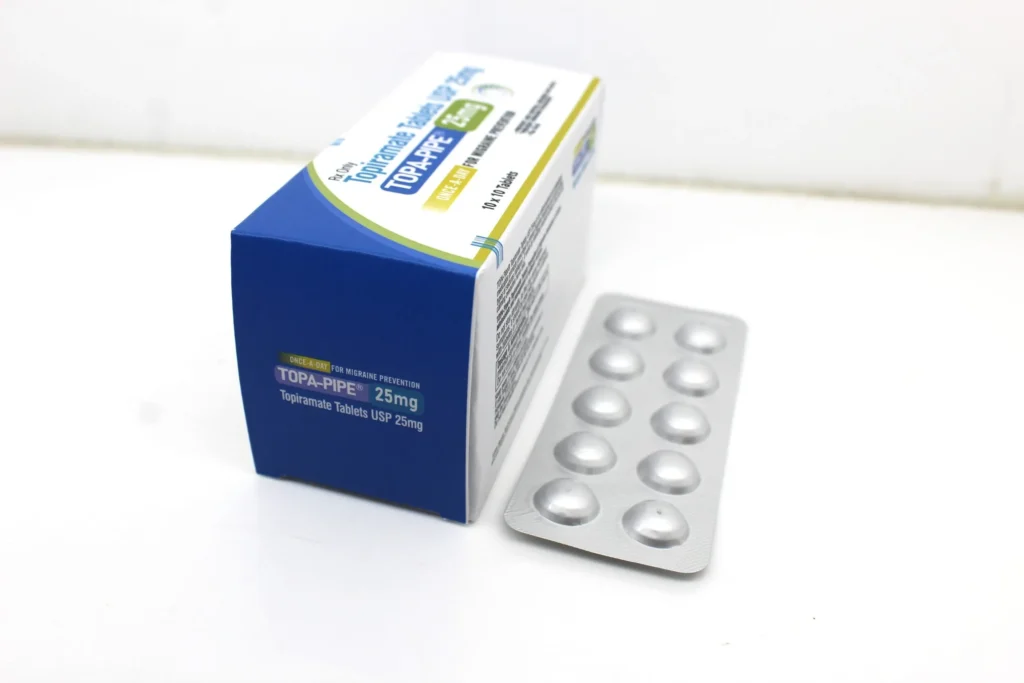
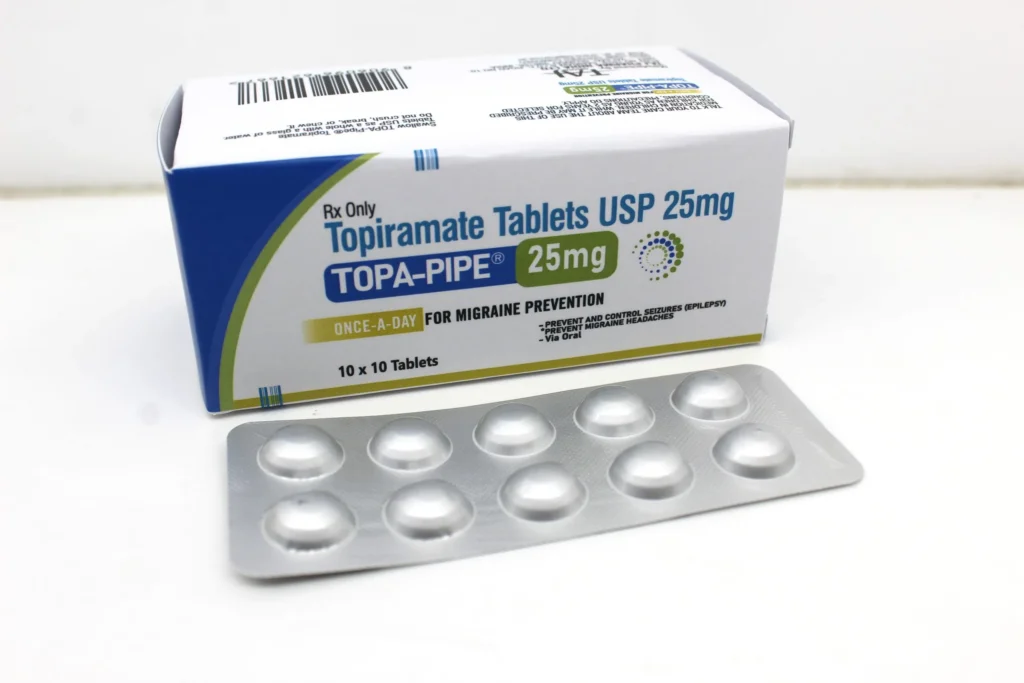
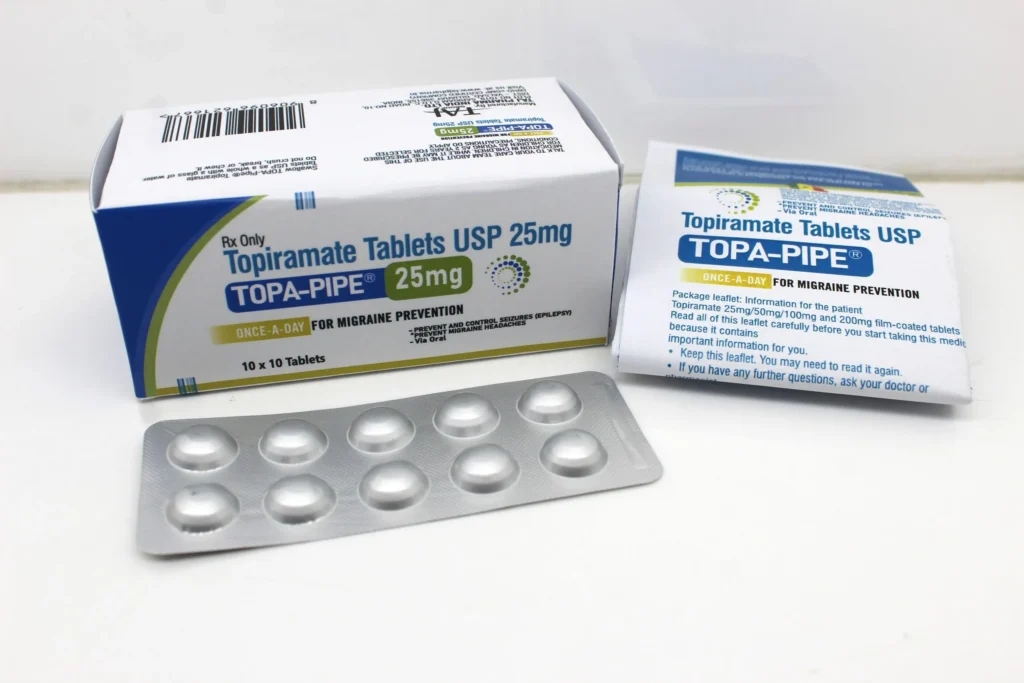
A standard Topiramate 25mg tablet typically contains:
- Active Ingredient: Topiramate IP – 25mg
- Excipients: binders, stabilizers, disintegrants, and coating agents
These excipients ensure:
- Proper tablet integrity
- Controlled disintegration
- Improved patient compliance
Dosage and Administration Guidelines
Topiramate dosage must always be individualized by a healthcare professional. General guidelines include:
- Initiation at low doses such as 25mg once daily
- Gradual dose escalation depending on therapeutic response
- Administration with or without food
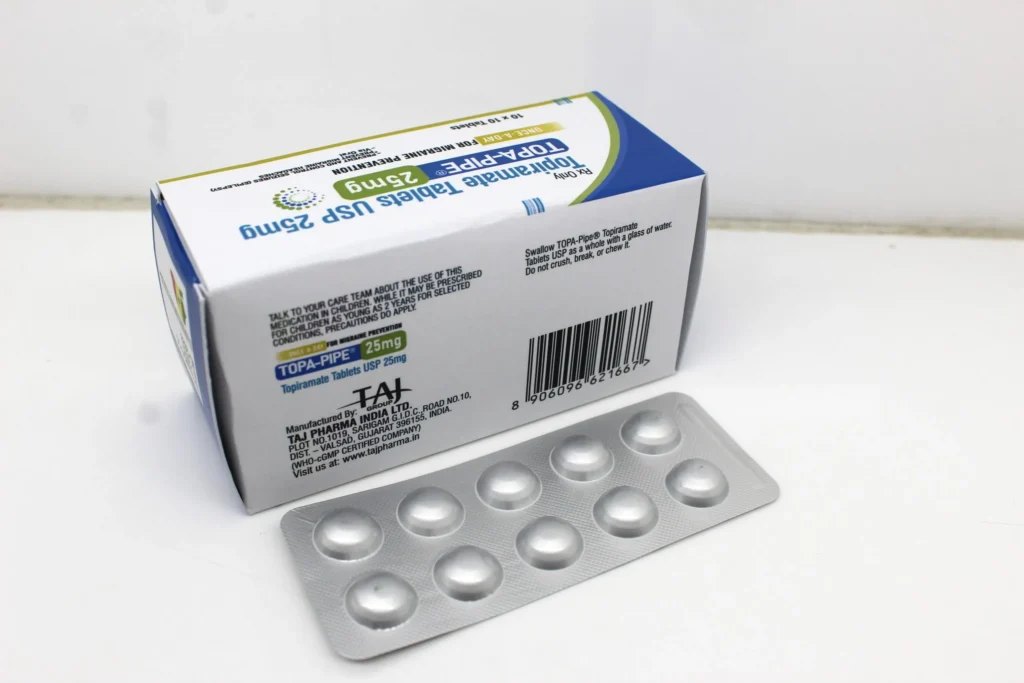
- Swallowing tablets whole with water
Abrupt discontinuation is not recommended, as it may increase the risk of seizure recurrence.
Side Effects and Safety Profile
Topiramate is generally well tolerated but may cause side effects in some patients.
Common Side Effects
- Fatigue or drowsiness
- Dizziness
- Weight loss
- Loss of appetite
- Tingling sensations (paresthesia)
- Taste alteration
Serious but Rare Effects
- Vision disturbances, including acute myopia or glaucoma
- Mood changes or depression
- Kidney stone formation
- Cognitive slowing or memory difficulties
Regular monitoring is recommended during long-term therapy.
Storage and Handling Conditions
Proper storage ensures drug stability and effectiveness:
- Store below 25°C
- Keep in a dry place away from moisture
- Protect from direct sunlight
- Keep out of reach of children
Export and Global Pharmaceutical Demand
Topiramate tablets are widely exported from India due to strong manufacturing capacity and cost efficiency. Key international markets include:
- Africa
- Middle East
- Southeast Asia
- Latin America
Demand is driven by increasing prevalence of epilepsy and migraine disorders globally.
Importance of Quality in Antiepileptic Medicines
Since Topiramate is used in chronic neurological conditions, consistent quality is critical. Substandard formulations may lead to:
- Breakthrough seizures
- Reduced therapeutic efficacy
- Increased risk of adverse reactions
Therefore, adherence to strict pharmaceutical quality systems is essential.
Topiramate 25mg tablets are an important therapeutic option in neurology, particularly for epilepsy and migraine prevention. Their effectiveness depends on precise dosing, careful patient monitoring, and high manufacturing standards. Pharmaceutical companies producing this medication must adhere to stringent regulatory frameworks to ensure safety, efficacy, and global acceptability.
High-quality production, combined with proper medical supervision, ensures that patients receive reliable and effective treatment outcomes in long-term neurological care.